
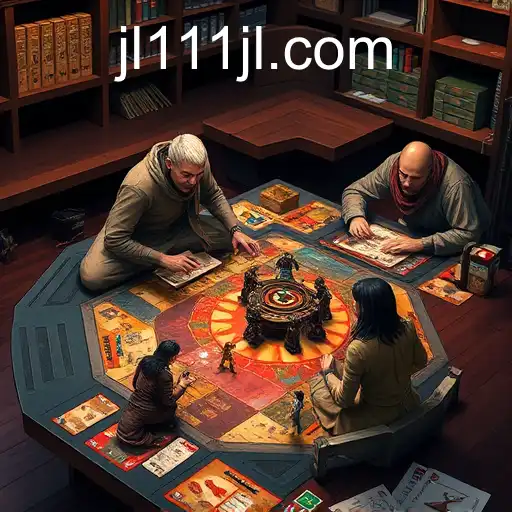
JL111 | Exploring the Enigmatic Realm of Tabletop Games: The Significance of JL111
JL111’s Dive into the captivating world of tabletop games, exploring their timeless allure and the mysteries surrounding JL111.
Unveiling the Enthralling World of Tabletop Games: JL111's Impact
In a digital age where online gaming often takes the spotlight, tabletop games have persistently held their ground, offering a tactile and social experience that digital counterparts often lack. Within this dynamic realm, the term "JL111" sparks curiosity and interest. This article delves into the intricacies of tabletop games, shedding light on their enduring appeal and exploring the enigmatic role of JL111.
The Timeless Allure of Tabletop Games
Tabletop games encompass a wide variety of games played on a flat surface, often enjoyed in the company of friends or family. Despite the technological advances that have revolutionized gaming, these physical games offer a unique kind of entertainment that resonates with many.
One of the key attractions of tabletop games is the tangible interaction they provide. Players engage with physical components, be it dice, cards, or miniatures, making the experience physically immersive. This tactile engagement often leads to a more memorable and enjoyable social interaction, a factor that has helped tabletop games stand the test of time.
The Magnitude of Strategy
Another aspect that draws players to these games is the strategic depth they often entail. Take, for instance, complex board games like "Scythe" or "Mage Knight," which require players to devise multi-layered strategies. The decision-making process involved in these games stimulates intellectual engagement, often involving logical deduction, foresight, and adaptability.
Strategic gameplay is not only about winning but also about the challenge and the intellectual satisfaction it brings. The complexity of strategy can turn a simple board game into a profound mental exercise, captivating the minds of enthusiasts worldwide.
Role-Playing and Storytelling
Beyond strategy, the storytelling aspect of tabletop games introduces a realm of endless possibilities. Role-playing games (RPGs) like "Dungeons & Dragons" allow players to become characters, shaping narratives and embarking on epic quests. The collaborative storytelling fosters creativity and strengthens social connections, making these games a popular choice for those seeking more than just entertainment.
Through immersive storytelling, players can explore new worlds and stories, adding a layer of excitement and unpredictability to each session. The involvement of personalized characters and evolving storylines ensures that no two games are ever the same.
Introducing JL111: A Mysterious Landmark
The introduction of JL111 has added an intriguing dimension to the tabletop gaming realm. Though the term may seem cryptic, enthusiasts speculate about its implications. Could it be a new game, a unique concept, or an innovative element being introduced into the existing landscape? The ambiguity surrounding JL111 has only fueled discussions, creating an air of mystery that promises something revolutionary.
In some circles, JL111 is whispered about as a potential game-changer, possibly heralding new mechanics or a breakthrough in game design. The anticipation surrounding its unveiling has generated significant buzz within the tabletop community.
The Social Fabric of Gaming
Tabletop games are not just about gameplay; they strengthen the social fabric by encouraging communication, teamwork, and empathy. Unlike digital games where players might interact from behind screens, tabletop games necessitate face-to-face interaction. This interpersonal engagement fosters friendships and camaraderie, enriching the gaming experience.
The social nature of these games often leads to laughter, debates, and discussions, making them an excellent icebreaker and a way to bond over shared interests. The human connection formed during these sessions often transcends the game itself.
The Craft of Game Design
Designing a tabletop game requires a nuanced understanding of mechanics, balance, and aesthetics. Game designers strive to create engaging experiences that remain balanced and fair, yet challenging. This process involves intricate planning, playtesting, and refinement to ensure the final product resonates with players.
The element of creativity in designing these games is akin to art. Each component, from the board layout to the cards, contributes to the overall experience, offering designers an opportunity to express their ideas and concepts uniquely.
JL111: A Forthcoming Evolution
As speculation about JL111 grows, its potential impact on the tabletop gaming scene is eagerly anticipated. Whether it introduces groundbreaking mechanics or a fresh narrative approach, JL111 stands poised to leave its mark. Enthusiasts eagerly await its unveiling, imagining the possibilities it might bring to the table.
While details about JL111 remain largely under wraps, the theories and hypotheses serve to elevate the intrigue. This enigmatic presence highlights the ever-evolving nature of tabletop games, reflecting their capacity for innovation and adaptation.
Tabletop Games and the Future
In a world increasingly dominated by digital interactions, tabletop games offer a refreshing departure. They invite players to engage in a physical, tangible way that digital experiences cannot replicate. The introduction and evolution of concepts like JL111 continue to promise an exciting future for this beloved form of entertainment.
As the tabletop gaming industry evolves, these games will undoubtedly remain a significant part of the broader gaming culture. With their blend of strategy, storytelling, and social interaction, they embody the essence of collective enjoyment and the joy of shared experiences.
